



Heel Pain – Pediatric
Pediatric heel pain
What is pediatric heel pain? Heel pain is a common childhood complaint. That doesn’t mean, however, that is should be ignored, or that parents should wait to see if it will “go away.”
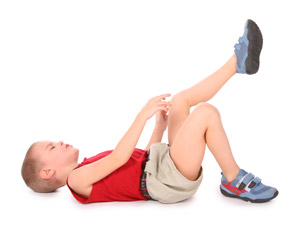
Heel pain is a symptom, not a disease. In other words, heel pain is a warning sign that a child has a condition that deserves attention.
The most common cause of pediatric heel pain is a disorder called calcaneal apophysitis (painful inflammation of the heel’s growth plate), which usually affects 8 to 14 year olds. However, pediatric heel pain may be the sign of many other problems and can occur at younger or older ages.
Symptoms
Heel pain problems in children are often associated with these signs and symptoms:
- Pain in the back or bottom of the heel
- Limping
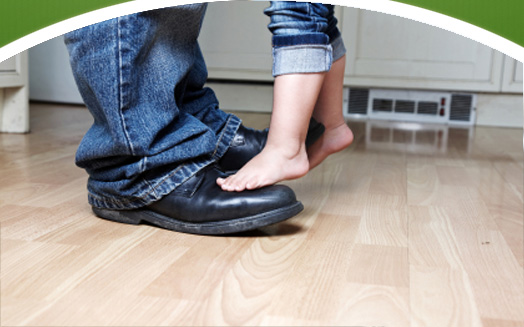
- Walking on toes
- Difficulty participating in usually activities or sports
Pediatric heel pain vs adult heel pain
Pediatric heel pain differs from the most common form of heel pain experienced by adults (plantar fasciitis) in the way pain occurs. Plantar fascia pain is intense when getting out of bed in the morning or after sitting for long periods and then it subsides after walking around a bit. Pediatric heel pain usually doesn’t improve in this matter. In fact, walking around typically makes this pain worse.
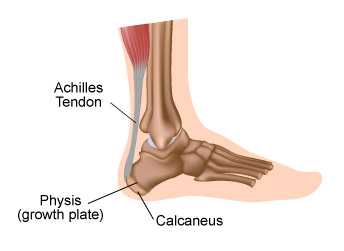
Heel pain is so common in children because of the very nature of their growing feet. In children, the heel bone (calcaneus) is not yet fully developed until age 14 or older. Until then, new bone is forming at the growth plate (physis) a weak area located at the back of the heel. Too much stress on the growth plate is the most common cause of pediatric heel pain.
Causes
There are a number of possible causes for a child’s heel pain. Because diagnosis can be challenging, a podiatric foot and ankle surgeon is best qualified to determine the underlying cause of the pain and develop an effective treatment plan.
Conditions that cause pediatric heel pain include:
Calcaneal apophysitis
Also known as Sever’s disease, this is the most common cause of heel pain in children. Although not a true “disease”, it is an inflammation of the heel’s growth plate due to muscle strain and repetitive stress, especially in those who are active or obese. This condition usually causes pain and tenderness in the back and bottom of the heel when walking and the heel is painful when touched. It can occur in one or both feet.
Tendo-achilles bursitis
This condition is an inflammation of the fluid-filled sac (bursa) located between the Achilles tendon (heel cord) and the heel bone. Tendo-achilles bursitis can result from injuries to the heel, certain diseases (such as juvenile rheumatoid arthritis), or wearing poorly cushioned shoes.
Overuse syndromes
Because the heel’s growth plate is sensitive to repeated running and pounding on hard surfaces, pediatric heel pain often reflects overuse. Children and adolescents involved in soccer, track, or basketball are especially vulnerable. One common overuse syndrome is Achilles tendonitis. This inflammation of the tendon usually occurs in children over the age of 14. Another overuse syndrome is plantar fasciitis, which is an inflammation of the band of tissue (plantar fascia) that runs along the bottom of the foot from the heel to the toes.
Fractures
Sometimes heel pain is caused by a break in the bone. Stress fractures—hairline breaks resulting from repeated stress on the bone—often occurs in adolescents engaged in athletics, especially when the intensity of training suddenly changes. In children under age of 10, another type of break—acute fractures—can result from simply jumping 2 or 3 feet from a couch or stairway.
Diagnosis
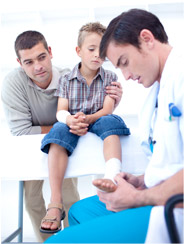
To diagnose the underlying cause of your child’s heel pain, the podiatric surgeon will first obtain a thorough medical history and ask questions about recent activities. The surgeon will also examine the child’s foot and leg. X-rays are often used to evaluate the condition and in some cases the surgeon will order a bone scan, a magnetic resonance imaging (MRI), or a computerized tomography (CT or CAT) scan. Laboratory testing may also be ordered to help diagnose other less prevalent causes of pediatric heel pain.
Treatment
The treatment selected depends upon the diagnosis and severity of the pain.
For milder heel pain, treatment options include:
Reduce activity
The child needs to reduce or stop any activity that causes pain.
Cushion the heel
Temporary shoe inserts are useful in softening the impact on the heel when walking, running, and standing.
For moderate heel pain, in addition to reducing activity and cushioning the heel, the podiatric surgeon may use one or more of these treatment options.
Medications
Nonsteroidal anti-inflammatory drugs (NSAIDs), such as ibuprofen, help reduce pain and inflammation.
Physical therapy
Stretching or physical therapy modalities are sometimes used to promote healing of inflamed tissue.
Orthotic devices
Custom orthotic devices prescribed by the podiatric surgeon help support the foot properly.
For severe heel pain, more aggressive treatment options may be necessary, including:
Immobilization
Some patients need to use crutches to avoid all weight-bearing on the affected foot for a while. In some severe cases of pediatric heel pain, the child may be placed in a cast to promote healing while keeping the foot and ankle totally immobile.
Follow-up measures
After immobilization or casting, follow-up care often includes use of custom orthotic devices, physical therapy, or strapping.
Surgery
There are some instances when surgery may be required to lengthen the tendon or correct other problems.
Prevention
The chances of a child developing heel pain can be reduced by following these recommendations:
- Avoid obesity
- Choose well-constructed, supportive shoes that are appropriate for the child’s activity
- Avoid or limit, wearing cleated athletic shoes
- Avoid activity beyond a child’s ability
If symptoms return
Often heel pain in children returns after it has been treated because the heel bone is still growing. Recurrence of heel pain may be a sign of the initially diagnosed condition, or it may indicate a different problem. If your child has a repeat bout of heel pain, be sure to make an appointment with your podiatric surgeon.