



Warts
Warts (Verrucae)
Warts (verrucae) are a viral infection that involves the top layer of our skin called the epidermis. A wart on the surface of the skin is caused by human papillomatous virus type I. While these skin lesions can be difficult to treat on your own, they are a benign infection.
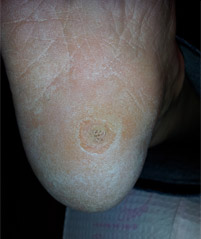
Foot warts are most commonly seen in the pediatric population. The virus enters the skin through direct contact either by the way of a small cut in the skin or a skin abrasion. A viral wart can remain active for weeks or even months as a host and is most commonly contracted at a communal shower or swimming pool. Once the wart infects the skin epidermis, a hard layer of skin (callous) usually forms over the wart making this a painful condition. If left untreated, warts may spread to other areas of the foot or coalesce into a larger wart called a mosaic wart.
A skin lesion on the bottom of the foot is not a normal occurrence and should be examined by your podiatric physician. Common conditions that can mimic the appearance of a wart are an intractable plantar keratosis (pressure callus), a porokeratosis (clogged sweat duct), or a foreign body. Timely proper diagnosis and treatment typically translates into quicker eradication of the viral infection.
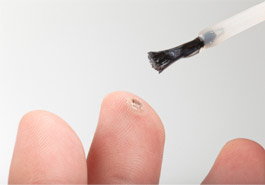
Treatment of these infections ranges from over-the-counter (OTC) topical medications to surgical intervention.
- Salicylic acid
- This type of medication is available as OTC medication or prescription strength. This medication acts as a keratinolytic that dissolves dead skin cells.
- Cantharone (Blister beetle)
- This type of solution is applied in an office setting. This medication is designed to blister the top layer of skin where the wart is contained. As the blister is peeled away, the virus is removed during the process.
- Liquid Nitrogen
- This is a type of surgery called cryosurgery. This is also an office based procedure where your podiatric physician will apply the medication to the base of the wart to freeze the contents of the wart. This type of therapy often requires multiple visits to treat.
- Laser Surgery
- Laser surgery is often attempted when other conservative options have been unsuccessful. The two most common types of lasers utilized for treatment of warts are the CO2 laser and the pulse dye laser. Ask your podiatric physician for details of this type of therapy.