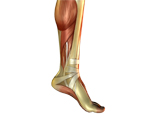





Surgery of the Foot & Ankle
Surgery of the foot & ankle
Podiatric surgery is surgery performed on the foot, ankle or lower leg by highly qualified podiatric foot and ankle surgeons who are trained specifically to deal with these problems.
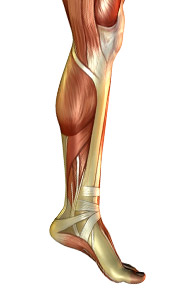
The problems may result from birth abnormalities, heredity, trauma, arthritis, physical stress, improper shoes, muscle and joint imbalances, and even the hard surfaces on which you walk. The important fact to remember is that podiatric foot and ankle surgeons are the physicians most thoroughly trained to manage these problems.
Podiatric surgery differs from other surgical procedures because of the special characteristics and functions of the lower extremity. In addition to supporting your weight, the foot is subjected to repeated abuse with each step. Providing immediate treatment and preserving the best function possible are key factors in podiatric surgery.
What causes foot & ankle problems?
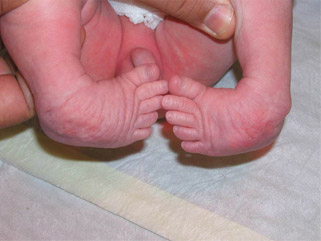
Foot and ankle problems are quite common and include: congenital, acquired, traumatic, infectious, neoplastic and arthritic. When foot and ankle problems occur at birth, they are called congenital and are generally inherited.
Acquired problems may result from improper footwear, physical stress, or small mechanical changes within the foot, which can slowly increase with aging.
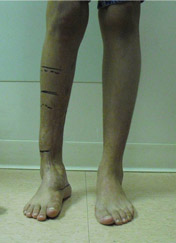
Traumatic problems are associated with injuries to the foot and ankle such as a sprained or broken ankle or a fracture of the foot.
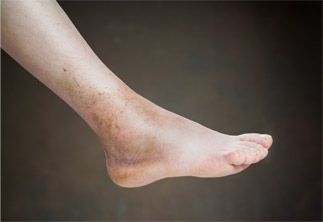
Infectious problems are the result of bacterial, viral, or fungal infections that may affect superficial or deep tissues.
Neoplastic disorders (tumors) are the result of abnormal growth of tissue and may be benign or malignant.
Arthritic disorders may involve one or more joints and may be secondary to trauma or associated with systemic disease.
What conditions respond well to surgery?
Conditions that are often alleviated through surgical procedures include:
- Sprains and fractures
- Arthritis and joint disease
- Benign and malignant tumors
- Birth deformities
- Bunions
- Calluses and warts
- Corns and hammertoes
- Flatfeet
- Heel or toe spurs
- Ingrown toenails
- Neuromas (nerve tumors)
If you have questions about any of these conditions, your podiatric foot and ankle surgeon can explain the condition and treatment options.
Why surgery?
Conservative treatment of many foot and ankle problems often produces temporary relief of pain. If pain persists, surgery is sometimes the more definitive answer to a persistent problem and the best way to prevent more serious conditions. On the other hand, surgery is not always the best approach for all patients. Your podiatric foot and ankle surgeon can tell if you are an appropriate surgical candidate.
Does foot surgery require hospitalization?
Not usually. Surgical procedures may be performed in the office or in an outpatient setting. Your podiatric foot and ankle surgeon is well qualified to discuss the needs of your particular case. Surgery may be performed under local anesthesia or with light sedation administered by a trained anesthesia specialist. Your surgeon will advise you on the best possible postoperative care, so that your recovery will be rapid and as comfortable as possible.
After foot surgery
What is worn on the foot following surgery?
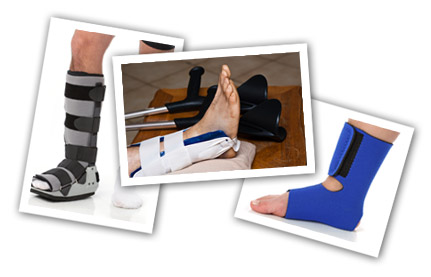
Each surgical procedure requires a different type of foot immobilization such as a bandage, splint, surgical shoe, cast, or open sandal. Good postoperative results require proper foot support to prevent future problems. Early use of leg and foot muscles hastens recovery. After sufficient healing time, most patients can resume wearing their usual footwear.
Is special treatment needed after surgery?
Many patients require post-operative care, such a physical therapy, orthotic devices (foot supports), and special footwear. This care helps ensure that the results of the operation are long lasting.

Consideration for diabetics and older patients
Is foot surgery advised for diabetics?
Diabetics must take special care of their feet. Proper control of the diabetic’s blood sugar and thorough evaluation of circulation and healing abilities are necessary before surgery is considered. Foot and ankle surgery on diabetics who are well controlled is usually successful and my serve to prevent severe diabetic complications from occurring.
Are there risks involved for older patients?
Attention is given to the special needs of older patients. This may include a consultation with your internist or specialist to evaluate your condition and determine the safest procedures.