



Achilles Tendon
Achilles Tendon Injuries
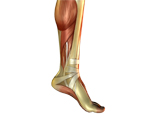
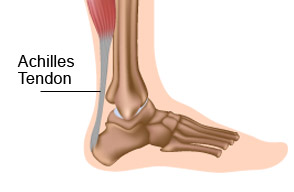
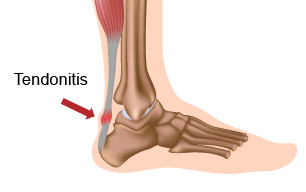
The Achilles tendon is the largest tendon in the body and is prone to different types of injuries. The Achilles tendon attaches the calf muscles to the back of the heel bone and function to help flex your foot. Despite this tendon being such a large and powerful tendon, it is a commonly injured tendon. While most Achilles tendon injuries are cases of tendonitis, some injuries are powerful enough to cause a partial or complete tear of the tendon.
Causes and Symptoms of Achilles Injuries
Some common causes of Achilles tendon injuries include:
- Inadequate stretching before activity
- Overuse injuries
- “Weekend Warrior” injuries
- Biomechanical problems
- e.g. Overpronation (flatfeet)
- Improper shoes during activity
Symptoms of an Achilles tendon injury can range from mild pain at the back of the ankle to severe debilitating pain making it difficult to walk. Patient suffering from this condition often relate the following symptoms:
- Swelling
- Weakness
- Pain with touching the tendon
- Hearing a popping sound
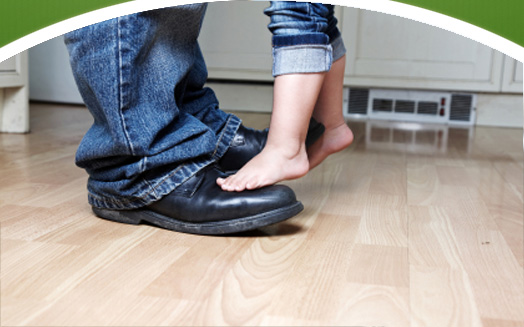
- Difficulty standing on their toes
- Weakness or instability with walking
Your podiatric physician will perform a thorough examination if any of these symptoms are present after an injury is sustained. While the diagnosis is typically made with a clinical examination, sometimes your podiatric physician will order an MRI for further more detailed evaluation of the tendon.
Treatment of Achilles Tendon Injuries
Some injuries to the Achilles tendon are minor and only require the “PRICE” type of therapy:
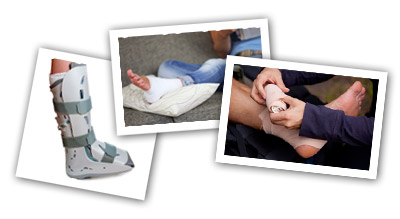
- Protection: Avoid putting too much weight on the involved leg; may require a walking boot or splint
- Rest: Avoid activity and weight bearing on that involved leg until notified by your podiatric physician
- Ice: Apply ice for 15-30 minutes every 3-4 hours until the pain is gone
- Compression: ACE wrap the involved lower leg and ankle to help reduce swelling
- Elevation: Elevate the involved leg on 1-2 pillows when you are resting to help control swelling
Some Achilles type injuries that are recalcitrant to this type of therapy require more aggressive treatment such as formal physical therapy. Achilles tendon injuries that do not respond to non-surgical therapy or that involve a complete tear of the tendon typically require surgical intervention by your podiatric physician.